Switzerland is not a destination that can be fully understood in a single visit, and it certainly cannot be reduced to a single “best time” to go. Instead, it is a country that changes constantly with the seasons, offering a different atmosphere, rhythm, and landscape depending on when you arrive.
To plan a trip here is less about choosing a date on a calendar, and more about choosing the kind of experience you want to live. Each season reveals a different side of Switzerland, sometimes dramatic, sometimes calm, sometimes vibrant, and sometimes almost silent.
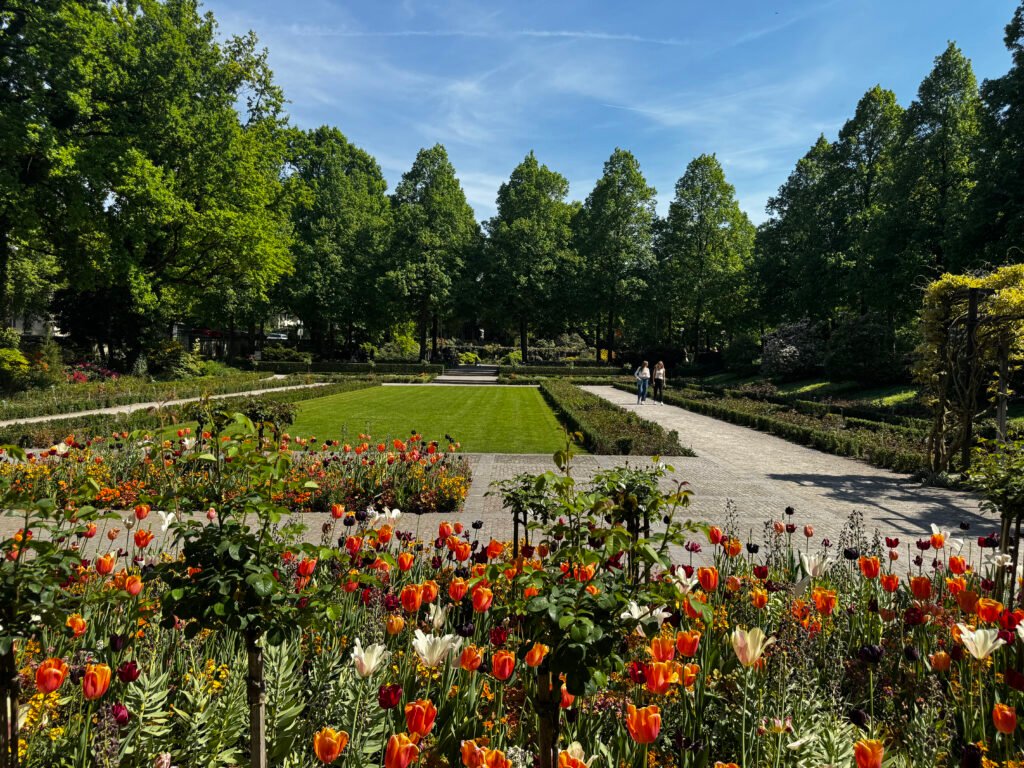
Spring (March – May): A Quiet Return to Life
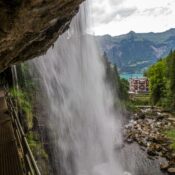
Spring in Switzerland arrives gradually. Snow begins to retreat from the lower valleys while mountain peaks remain white. Waterfalls become stronger, rivers fuller, and the countryside slowly shifts from winter stillness to green landscapes.
This is one of the most peaceful times to visit the country. Tourist numbers are still relatively low, which means cities like Lucerne, Bern, or Interlaken feel more open and relaxed. Lakes are calm, and the air carries a fresh clarity that makes walking and sightseeing particularly enjoyable.
In the mountains, higher-altitude areas may still be partially closed, but lower hiking routes begin to open. It is a season for those who prefer quiet travel, softer scenery, and fewer crowds.
Spring is Switzerland in transition-subtle, fresh, and slowly awakening.
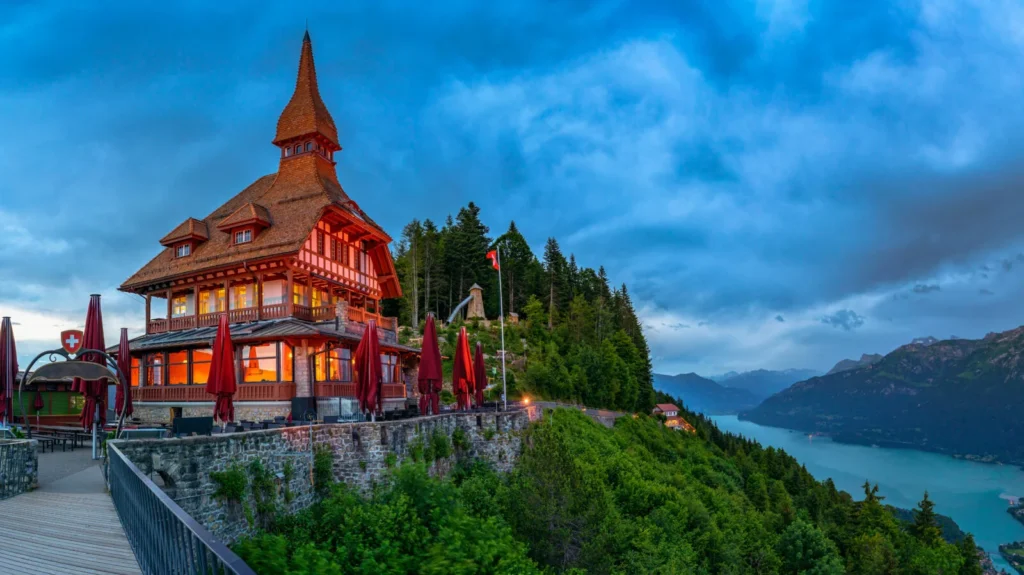
Summer (June – August): The Country at Its Most Alive
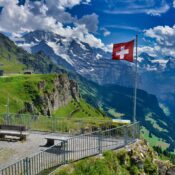
Summer is the most popular and fully active season in Switzerland. Everything opens: mountain passes, hiking trails, cable cars, lakeside activities, and alpine viewpoints.
The Alps become a playground for outdoor exploration. Hiking routes in regions like the Bernese Oberland, boat trips on lakes such as Lucerne or Geneva, and panoramic train journeys define the rhythm of the season. Long daylight hours allow for extended days of travel and exploration.
Cities and lakeside towns are also vibrant during this period. Outdoor cafés, festivals, and cultural events fill public spaces, creating a lively atmosphere across the country.
However, summer is also the busiest season. Popular destinations can be crowded, and accommodation prices are generally at their highest. Planning ahead becomes important for a smooth experience.
Summer is Switzerland in its most complete and energetic form-open, green, and full of movement.
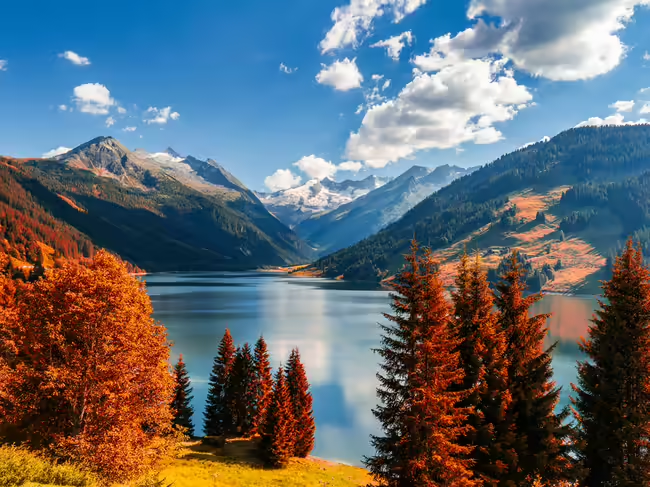
Autumn (September – November): Balance, Colors, and Clarity
Autumn is often considered one of the most balanced and visually rewarding times to visit Switzerland. The summer crowds begin to fade, but the weather remains stable, especially in early autumn.
The landscape changes into warm tones of gold, orange, and deep green. Vineyards along Lake Geneva, forested valleys, and hillside regions become particularly scenic during this period.
Traveling becomes smoother, with more availability in hotels and quieter attractions. Lakes remain calm, and mountain views often become clearer due to crisp air conditions.
This is also an excellent season for scenic train journeys, as the changing colors across regions create a continuous and varied visual experience.
Autumn offers Switzerland in its most harmonious state-less crowded, visually rich, and naturally balanced.

Winter (December – February): A Landscape of Silence and Snow
Winter transforms Switzerland completely. The country becomes quieter, slower, and visually more dramatic.
Snow defines both cities and mountain regions. Villages in alpine areas take on a warm, glowing atmosphere, while higher regions become centers for skiing and winter sports. Destinations such as Zermatt, St. Moritz, and Grindelwald are particularly active during this season.
Even for those who do not ski, winter offers a strong travel experience. Christmas markets, frozen lakes, snow-covered valleys, and panoramic train rides through white landscapes create a unique atmosphere that feels almost cinematic.
Cities remain active and accessible, but the emotional focus of the country shifts toward the mountains.
Winter is Switzerland in its most atmospheric form-quiet, cold, and visually powerful.
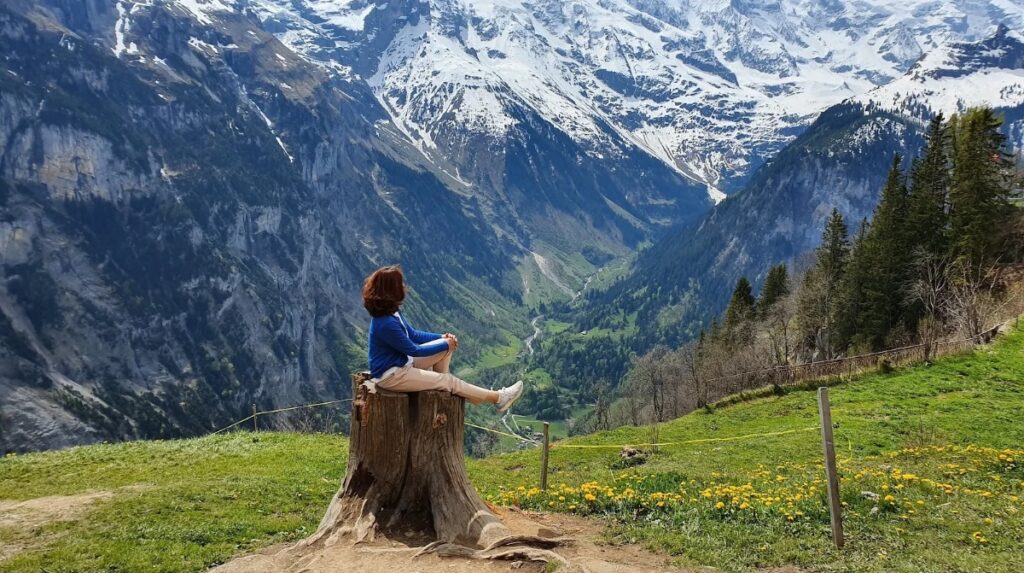
So, What Is the Best Time to Visit Switzerland?
There is no single best time to visit Switzerland. Instead, there are four distinct versions of the country:
- Spring offers calm and renewal
- Summer brings full activity and access
- Autumn delivers balance and color
- Winter creates atmosphere and silence
Each season presents a different interpretation of the same landscape. The experience depends entirely on what kind of journey a traveler wants to have.

Travel Experience and Seasonal Rhythm
Switzerland’s travel experience also changes with the seasons. In summer, everything is fully operational but busier. In winter, mountain routes require more planning due to snow conditions. Spring and autumn often provide a smoother travel flow with fewer crowds.
Because of this, how travelers move through the country can significantly shape their experience. While Switzerland’s public transport system is highly efficient, some visitors prefer a more seamless way of combining multiple regions in a single journey, especially when time is limited or when traveling with family.
In such cases, private travel arrangements, such as guided routes offered by companies like Swixplore, can help reduce logistical complexity and allow the focus to remain on the landscapes rather than coordination between connections.

Final Reflection
Switzerland is not a destination defined by a single season. It is a country that transforms continuously throughout the year, offering entirely different experiences depending on when you visit.
To travel here is to understand that timing is not a detail, it is part of the experience itself.
And in Switzerland, every season tells its own story.