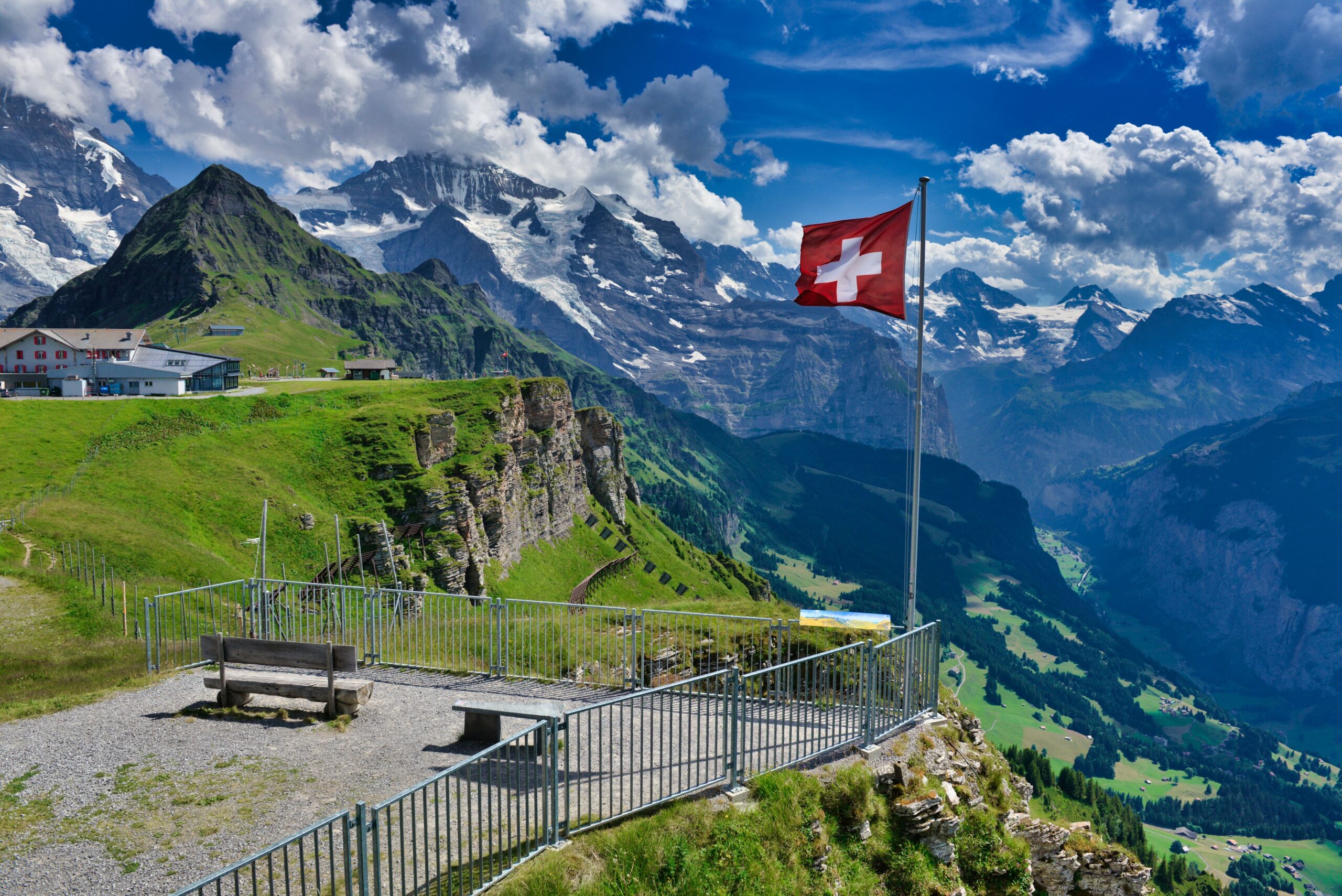
Switzerland has a way of challenging expectations before travelers even realize it. For many Americans arriving for the first time, the country rarely matches the simplified image formed through postcards, social media, or travel documentaries. What they encounter instead is something more structured, more precise, and in many ways more quietly impressive.
It is a country where landscapes do not simply appear, they unfold in sequence. Where transportation does not feel like movement, but like coordination. And where nature and infrastructure coexist with a level of harmony that feels almost engineered.
For American travelers used to distance, highways, and fast-paced itineraries, Switzerland introduces a different rhythm of travel. It is compact, but layered. Efficient, but never rushed.
Why Switzerland Captures the American Imagination
Switzerland has steadily become one of the most desired European destinations for American visitors, but its appeal is not based on a single attraction. Instead, it is built on accumulation, small, consistent experiences that together form a strong emotional impression.
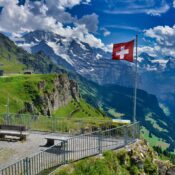
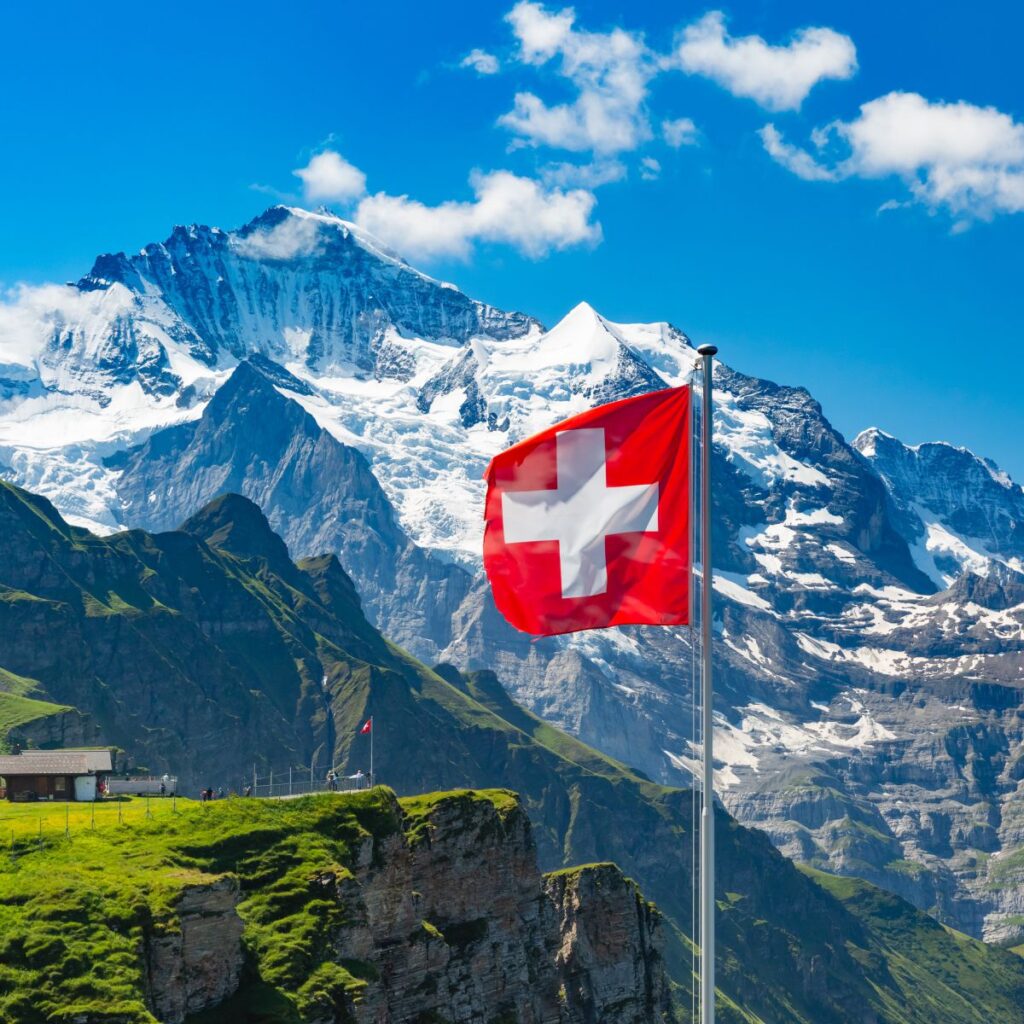
The first is the landscape. The Swiss Alps rise abruptly from lakes and valleys in a way that feels almost unreal, even when experienced in person. Places like Interlaken and Lauterbrunnen have become familiar to American audiences long before arrival, shaped by travel content, drone footage, and cinematic imagery. Yet the reality is often more powerful than the expectation.
But Switzerland’s appeal is not only visual. It is structural. Cities are clean, public spaces feel safe at all hours, and systems function with precision. For American travelers, this creates a rare sense of ease, where attention shifts away from logistics and toward experience.
There is also a subtle emotional contrast that defines the country: Switzerland is calm without being empty, organized without being rigid, and beautiful without demanding interpretation.

Entry and Arrival: Simple, Yet Structured
For U.S. citizens, Switzerland is part of the Schengen Area, allowing visa-free travel for short stays of up to 90 days. On paper, entry is simple. In practice, the experience reflects the country itself, structured, organized, and predictable.
Travel documentation is expected to be in order, and while border checks are efficient, they reflect a broader European system built on clarity and preparation. Increasingly, digital entry requirements such as ETIAS are also shaping the way Americans approach European travel, adding a pre-arrival layer of structure.
From the moment travelers land in Zurich, Geneva, or Basel, Switzerland presents itself as a country that functions without friction, but only if one understands how it is designed.
A Country That Changes Character with the Seasons
One of the most important realities of Switzerland is that it does not remain the same throughout the year. Instead, it shifts identity with each season, and American travelers often experience this transformation more deeply than expected.
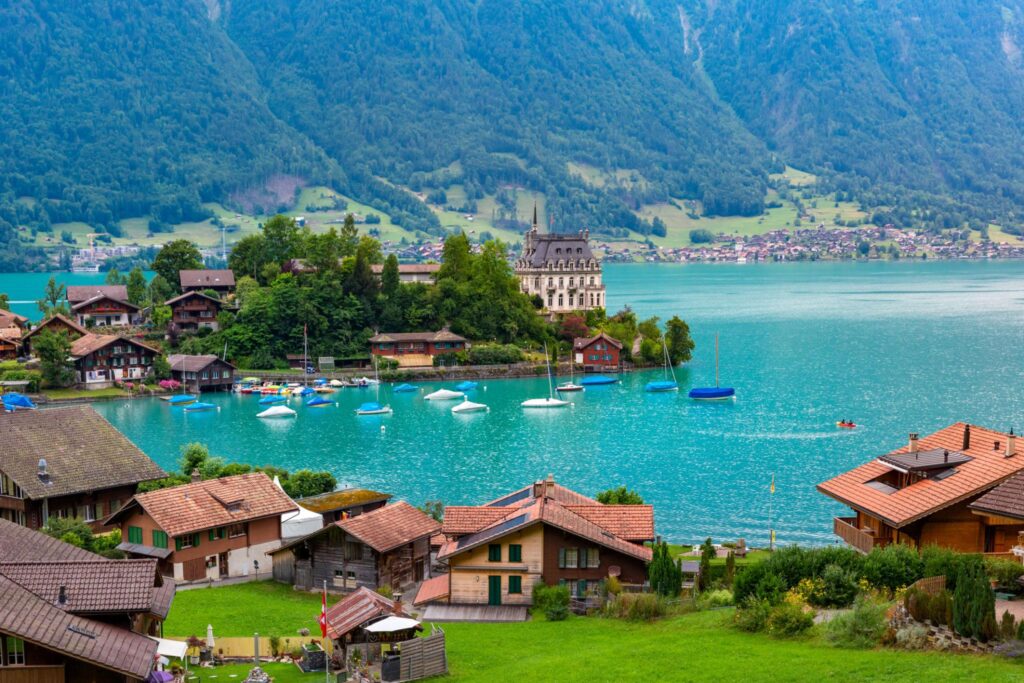
In summer, the Alps open fully. Hiking routes become accessible, lakes fill with movement, and mountain villages turn into gateways for outdoor exploration. The country feels alive, expansive, and active.
Autumn brings a slower rhythm. Forests turn golden, vineyards along Lake Geneva enter harvest, and tourist crowds thin out. The experience becomes more reflective, more visually balanced.
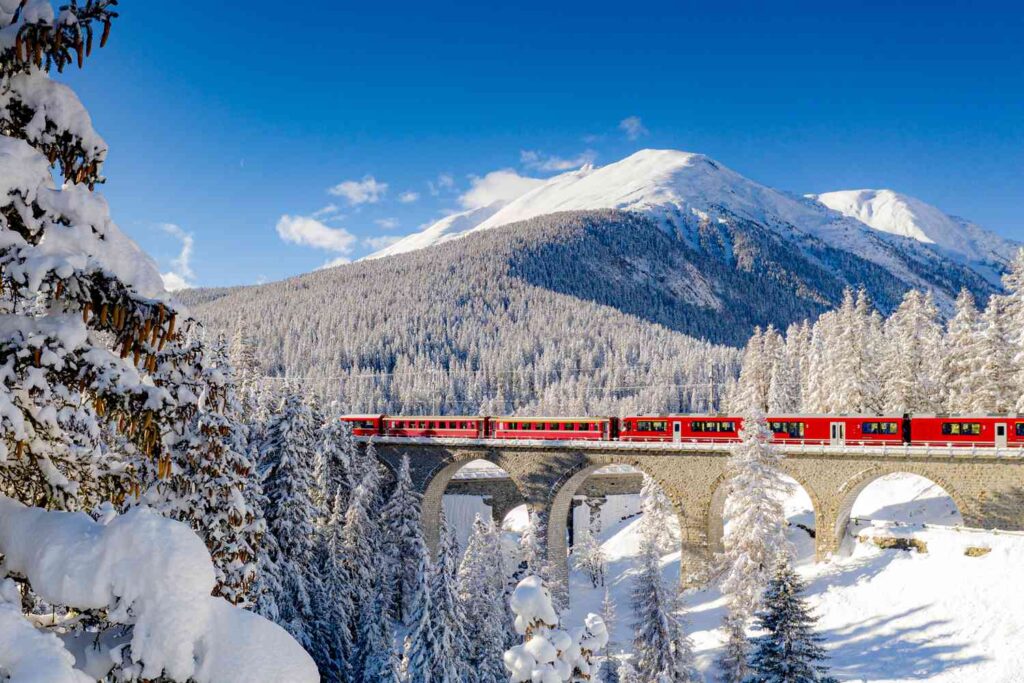
Winter transforms Switzerland into a quiet, almost cinematic landscape of snow, light, and alpine stillness. Villages glow softly against mountain slopes, and ski culture defines the rhythm of daily life. Spring, by contrast, feels like transition. Waterfalls strengthen, valleys regain color, and the country slowly reopens after winter.
From City to Valley: The Geography of Experience
Switzerland is not a country that reveals itself in a single layer. It unfolds through contrast.
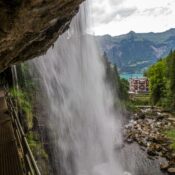
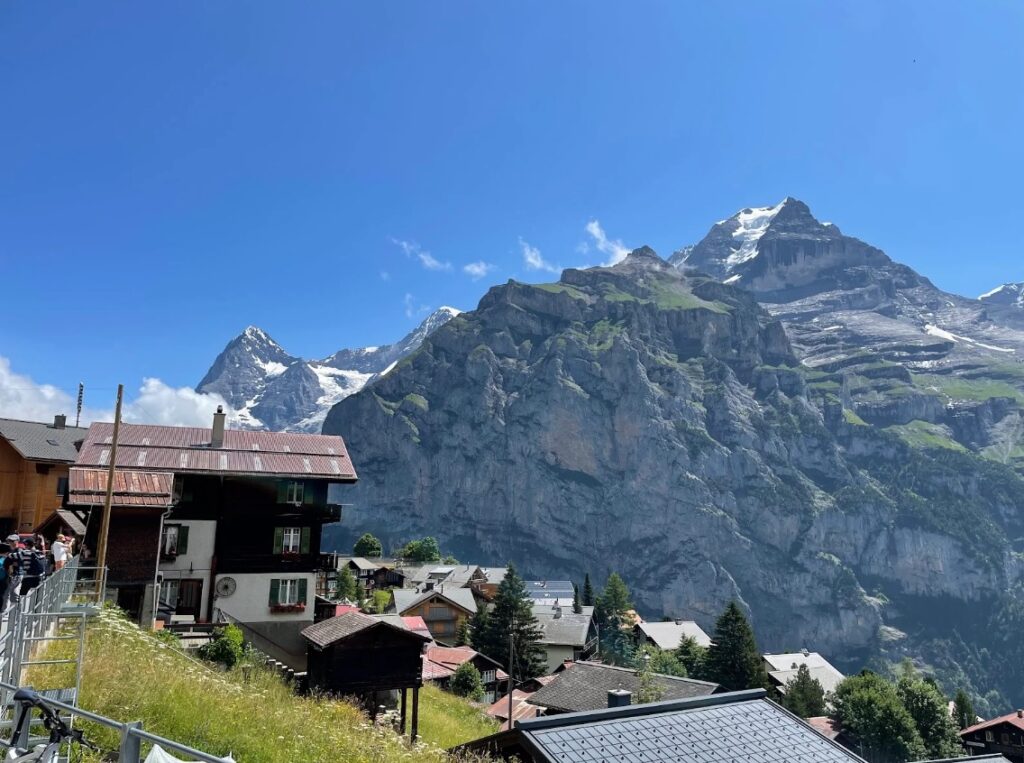
Interlaken sits at the center of this structure, not as a destination, but as a transition point between lakes and mountains. From here, travelers move into the Bernese Oberland, where Lauterbrunnen presents one of the most dramatic landscapes in Europe. High cliffs rise on both sides of the valley, and waterfalls descend continuously, shaping a vertical world that feels almost suspended in time.
Further west, the landscape shifts again. Along Lake Geneva, Montreux introduces a completely different expression of Switzerland. Palm-lined promenades, vineyards rising across terraced hills, and a softer lakeside atmosphere replace the intensity of the Alps. It is a reminder that Switzerland is not defined by a single environment, but by multiple, closely connected identities.
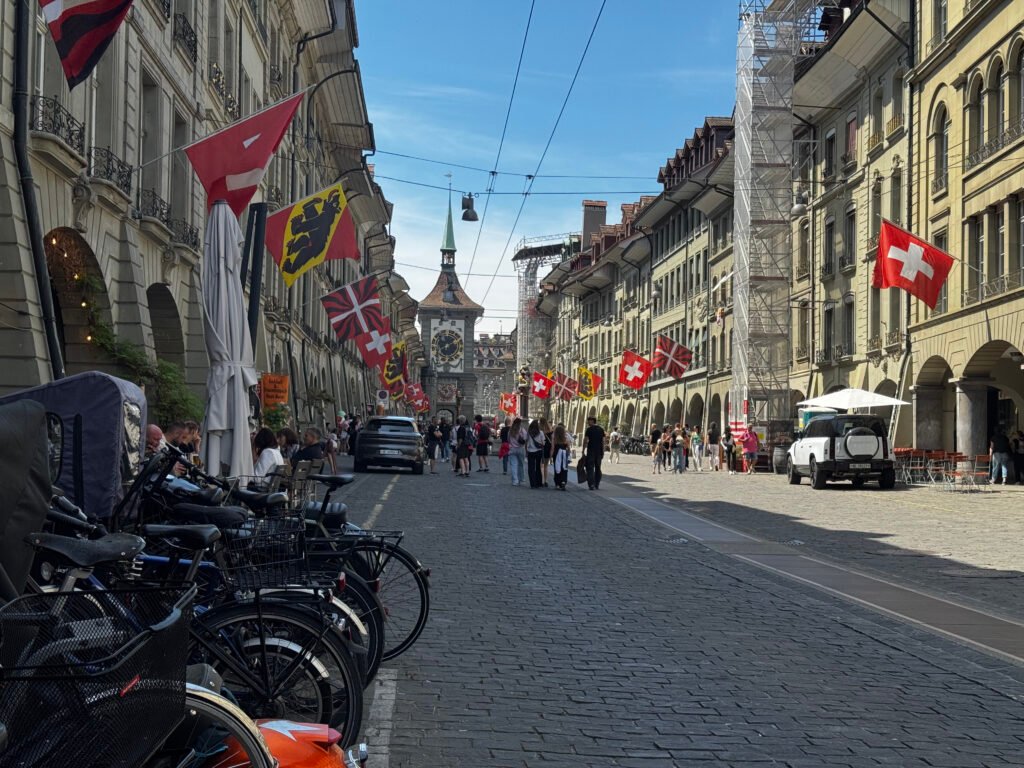
A Country Built for Movement, but Not for Simplicity
At first glance, Switzerland appears easy to navigate. The distances are short, trains are fast, and infrastructure is among the best in the world.
But American travelers often discover a subtle complexity beneath this efficiency. A simple journey can involve multiple timed connections, platform changes, and transitions between train, bus, and cable car systems. Luggage becomes part of the logistics, and timing becomes essential.
What appears simple on a map often becomes structured in practice.
And this is where Switzerland quietly reveals its paradox: it is one of the most efficient travel countries in the world, yet also one where efficiency requires understanding.
When Travel Style Begins to Matter
At some point during their journey, many American travelers begin to notice that Switzerland is not just about where you go, but how you move through it.
The experience of the country changes depending on how seamlessly one can transition between landscapes. Lakes, valleys, and mountains are not isolated attractions, they are connected experiences. But the connection is only felt fully when logistics no longer interrupt perception.
This is where private travel becomes relevant not as a luxury, but as a different way of experiencing continuity.
Companies such as Swixplore, which operate private guided experiences across Switzerland, are often chosen by travelers who want to eliminate logistical fragmentation and focus entirely on the landscape itself. The value is not in exclusivity, but in flow, allowing the journey to remain uninterrupted from one region to the next.
Hidden Switzerland: Beyond the Familiar Routes
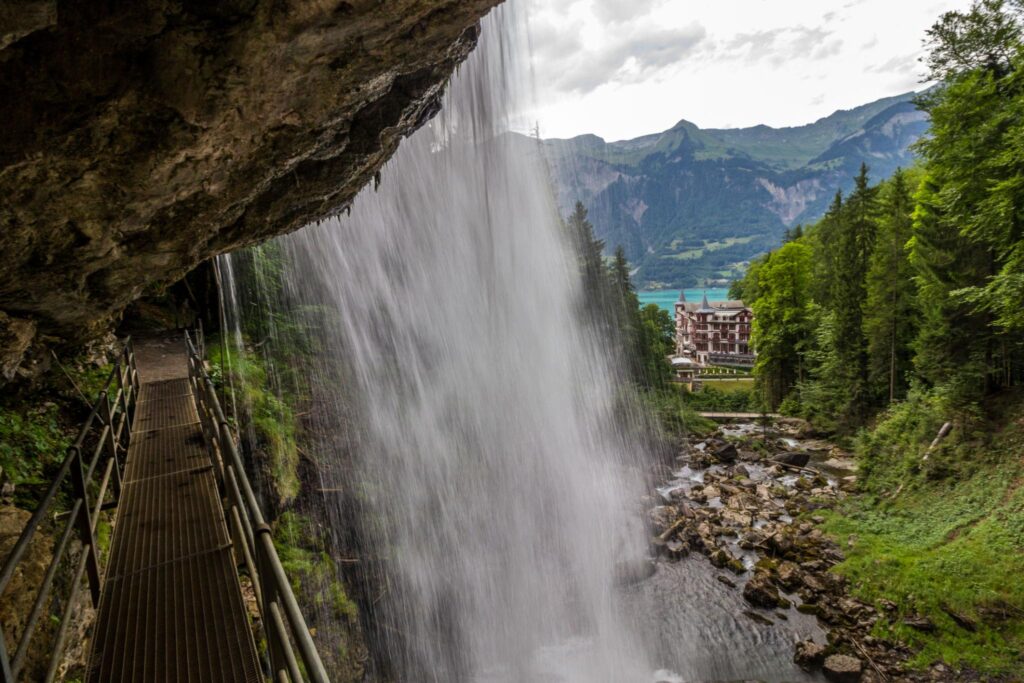
Beyond the well-known destinations lies another Switzerland that many American travelers never fully see. It is not hidden, but it requires intention.
Smaller lakes, quieter valleys, and mountain roads that do not appear on standard itineraries form a parallel experience of the country. Places like alpine lakes, vineyard terraces, and forested gorges offer moments of stillness that contrast with more visited regions. These places often become the most memorable part of the journey, not because they are more beautiful, but because they feel less expected.
Travel Reality: What Americans Often Underestimate
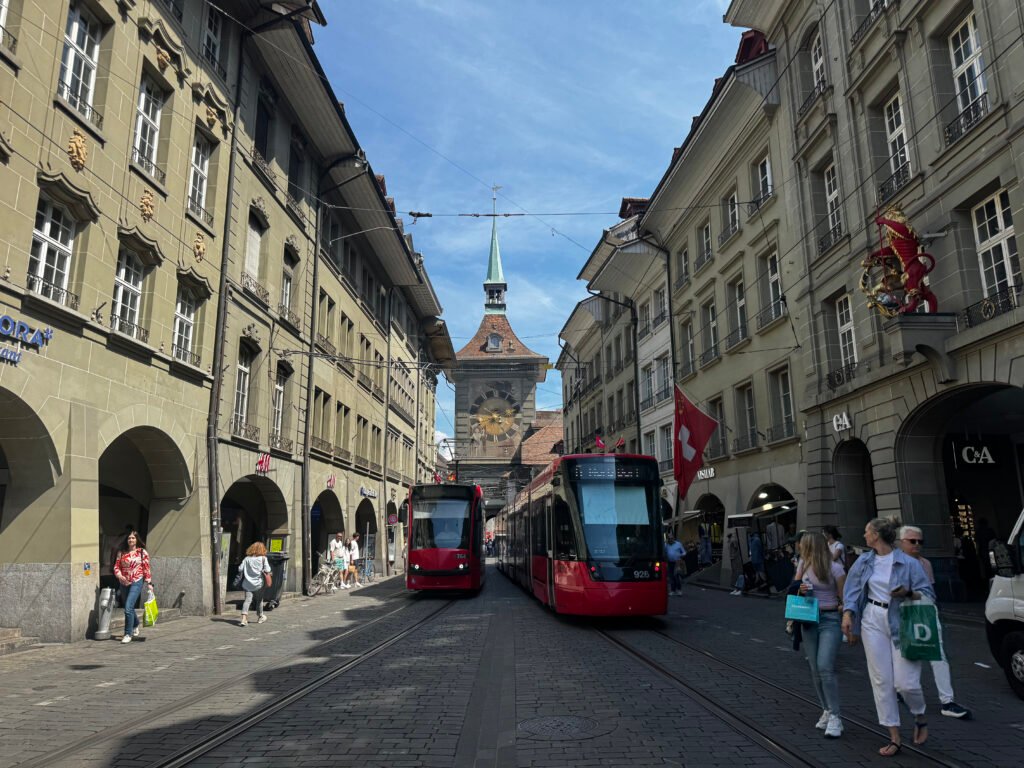
Switzerland rewards preparation more than spontaneity. Weather changes quickly in alpine regions, distances involve elevation as much as geography, and even simple journeys can involve multiple transport layers.
For American travelers, the adjustment is not difficulty, it is rhythm. Once understood, the system works seamlessly. Without understanding, it can feel fragmented.
This difference shapes the entire experience of the country.
Final Reflection: Switzerland as a Connected Experience
Switzerland is often described as beautiful, but that description is incomplete.
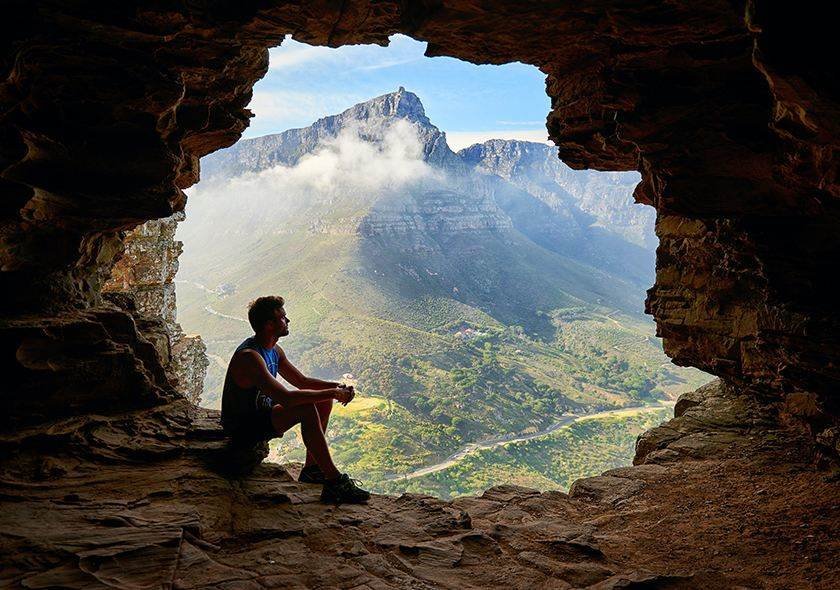
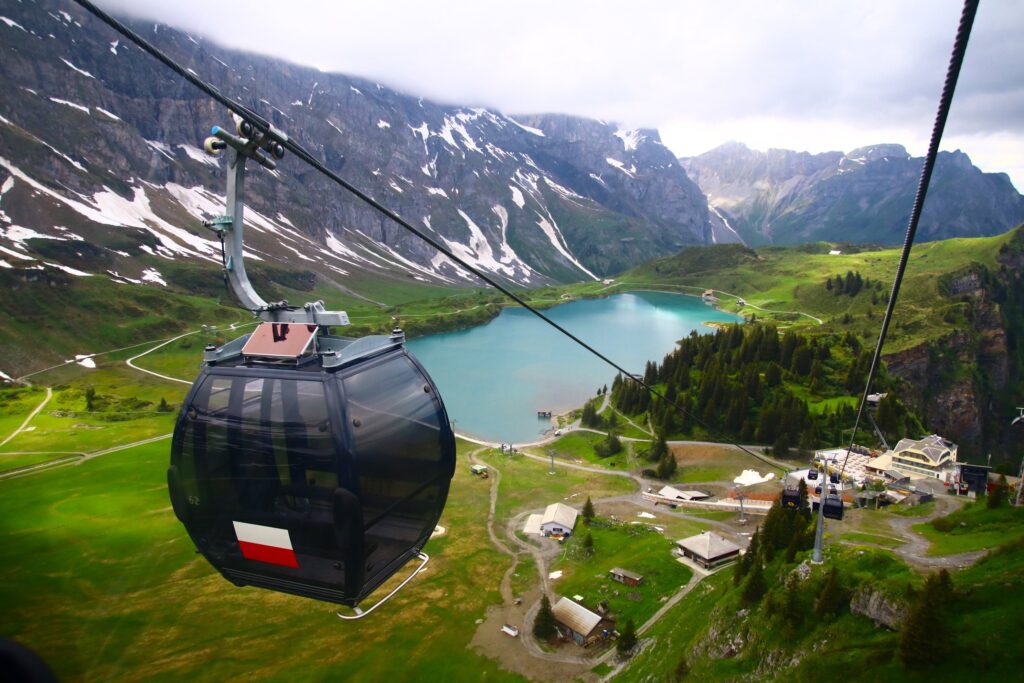
What defines the country is not only its landscapes, but the way those landscapes connect. Lakes flow into valleys, valleys rise into mountains, and every journey becomes part of a larger visual sequence.
For American travelers, Switzerland often leaves a lasting impression not because of a single place, but because of continuity. Nothing feels isolated. Everything feels part of something larger.
And in that continuity, the experience becomes something more than travel.
It becomes perception.

Swixplore Perspective
For travelers who want to experience Switzerland without interruption, without shifting constantly between schedules, routes, and logistics, private travel offers a different way of seeing the country.
Not by changing Switzerland, but by changing the way it is experienced.
When movement becomes seamless, the landscape becomes uninterrupted.
And in Switzerland, uninterrupted is where the experience truly begins.